
How A Solitary Tea Ritual Can Build Community
I used to be a regular commuter who took the metro (“train” or “subway”) to work in downtown Washington, DC. After a long hiatus from the rat race, I decided to dust off my commuter chops and take the train to an event.
I generally felt good that day. I had engaged in my daily ritual of a morning cup of tea, which I sipped beside my large window as the early morning sunrays beamed on me and I observed the happenings of “outside.”
My experience on the metro, however, would quickly mess up my good mood. During my journey, I encountered groups of rowdy teenagers, irate individuals who didn’t want anyone to sit next to them, and someone yelling a question at me that I just couldn’t understand for the life of me.
I began to regret my decision and wonder - was riding public transportation always this dysfunctional or are people a bit more loopy than they used to be?
Loneliness vs. Solitude
According to data going back to 1965, Americans are spending less time with other people than in any other period. Some experts define this as the “loneliness epidemic,” a social phenomenon of the 21st century, which former U.S. surgeon general Vivek Murthy claimed has negative effects on par with tobacco use and obesity.
Other experts note that the COVID-19 pandemic triggered a sustained global mental health crisis, resulting in more anxiety, depression, trauma, and stress around the world.
So, many of us are a little more loopy than we used to be.
But not everyone’s aloneness makes them lonely. Many Americans are choosing a self-imposed solitude that’s rewiring their social lives.
Instead of dealing with the chaos of public transportation, traffic, or rising gas prices for example, people are simply doing more things from the comfort of their homes. Whether grocery shopping, working, attending religious services, or consuming entertainment, they are choosing to do it online.
Our homes have become comfortable havens, shielding us from “outside’s” overstimulation and stress. The unfortunate side effect is that we’re reducing our thresholds of tolerance for each other. When we do engage in the public sphere, it feels harder and more overwhelming.
Drinking Tea with Others
I’ll likely never give up my mornings of tea and quiet solitude, but I am choosing to incorporate more opportunities to get out of the house, interact with strangers, and build community. I’m more mindful about practicing nonjudgement, and accepting people, situations, and events as they are, not as I wish they were.
The truth is, no matter how introverted some of us may be, we all need moments of human interaction to keep us grounded and connected with the world.
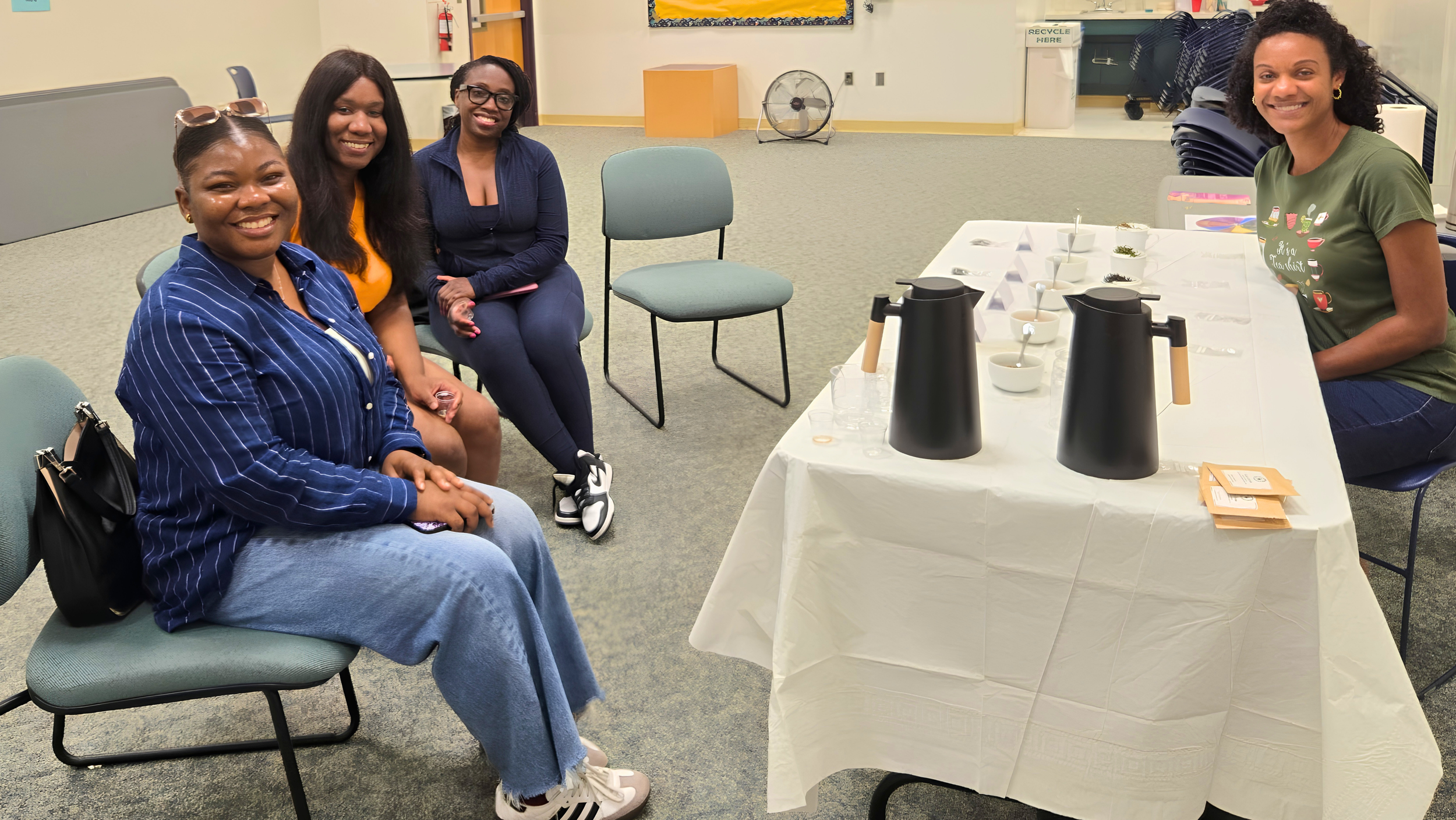
Instead of exclusively drinking tea at home, I now organize in-person gatherings to also drink tea with other tea lovers in the area.
My meetup group, the DMV Tea Enthusiasts, grew quicker than I could have imagined. It looks like I’m not the only one seeking more genuine connections in real life. These tea gatherings provide opportunities for us to get outside and approach the world with a different mindset.
I believe in meaningful connection and the power of service to others. To me, tea, is one of the most elegant forms of both.