
Bad Bunny’s Super Bowl Performance Took No “Tea for the Fever”
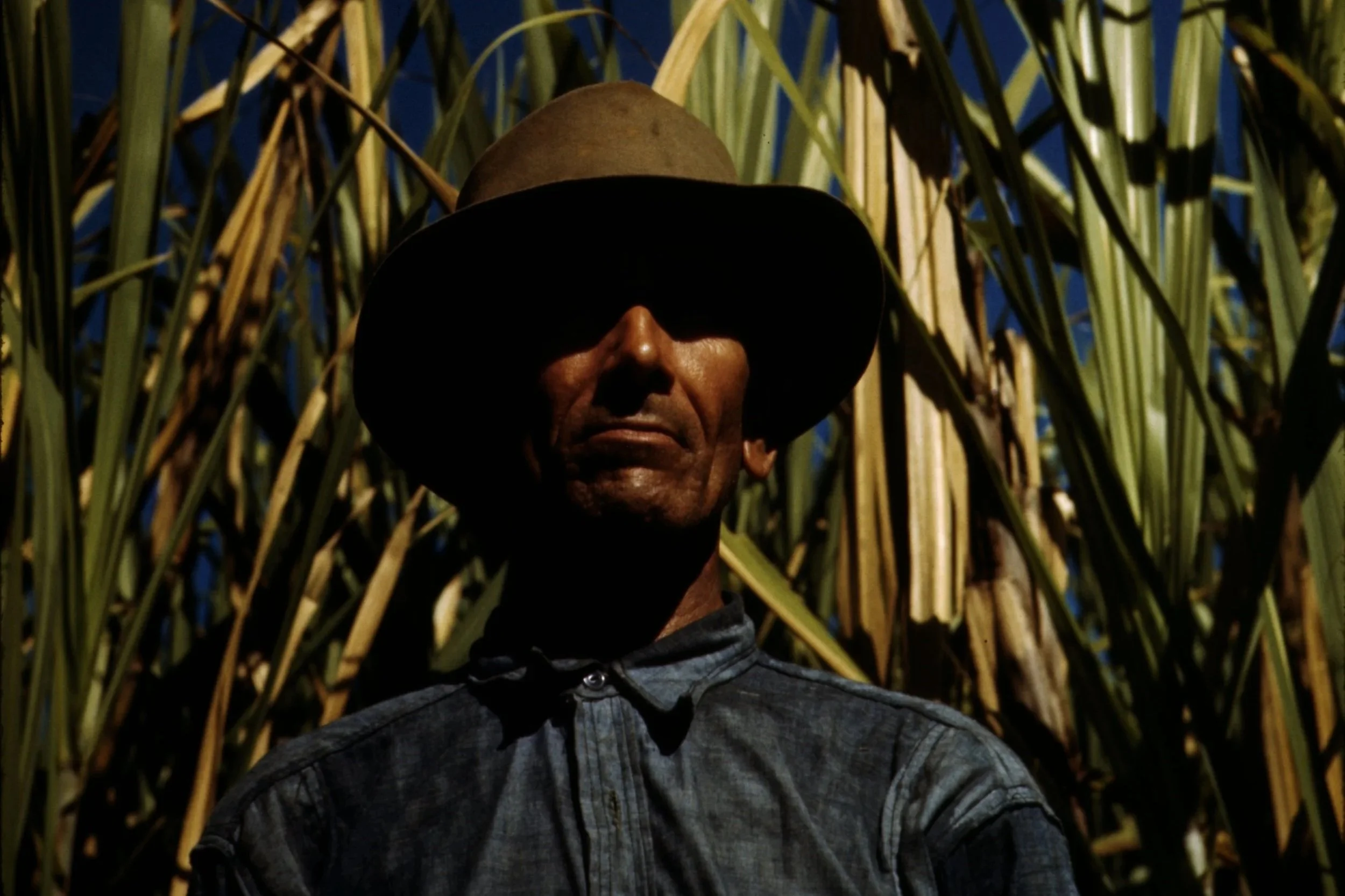
Campesino: A Farm Security Administration borrower who is a member of a sugar growing cooperative, vicinity of Rio Piedras, Puerto Rico. January 1942. by Britt Fuller, Public Domain Mark
I have always been one of those people who only tunes into the Super Bowl to catch the halftime performance. Loosely, I followed the lead up to Super Bowl LX, where the usual suspects in our divided nation lost their minds at Bad Bunny being chosen to perform in America’s signature event. And gosh darn it, he was going to do it all in Spanish!
Notwithstanding the overtly xenophobic responses that came about, most notably in the form of an entirely separate halftime show headlined by Kid Rock, Bad Bunny’s performance became a symbol of open defiance. As I watched his show, I felt nothing but respect and solidarity. The production was an open love letter to his homeland of Puerto Rico - and all the peoples of the Americas for that matter - and to the enduring belief that “the only thing more powerful than hate is love.”
In an era of ICE raids and racial animosity, Bad Bunny decided that he was taking no tea for the fever. With origins in the Black vernacular, this phrase conveys a refusal to put up with foolishness or injustice. The expression appears in works by Langston Hughes and Maya Angelou, and was even used by Aretha Franklin’s ex-husband when describing her.
“She just didn’t take tea for the fever, as the old folks would say. She was stubborn and hard to persuade. When she got her mind made up on something, you might as well pretty much forget trying to change it.”
Tea and its symbolism have deep roots in global black traditions. Herbal remedies in particular, or “bush teas” as they are called in the Caribbean, are frequently used to treat illnesses such as a fever. Taking tea for a fever meant you were accepting the circumstances at hand. Therefore, not taking it means you reject them.
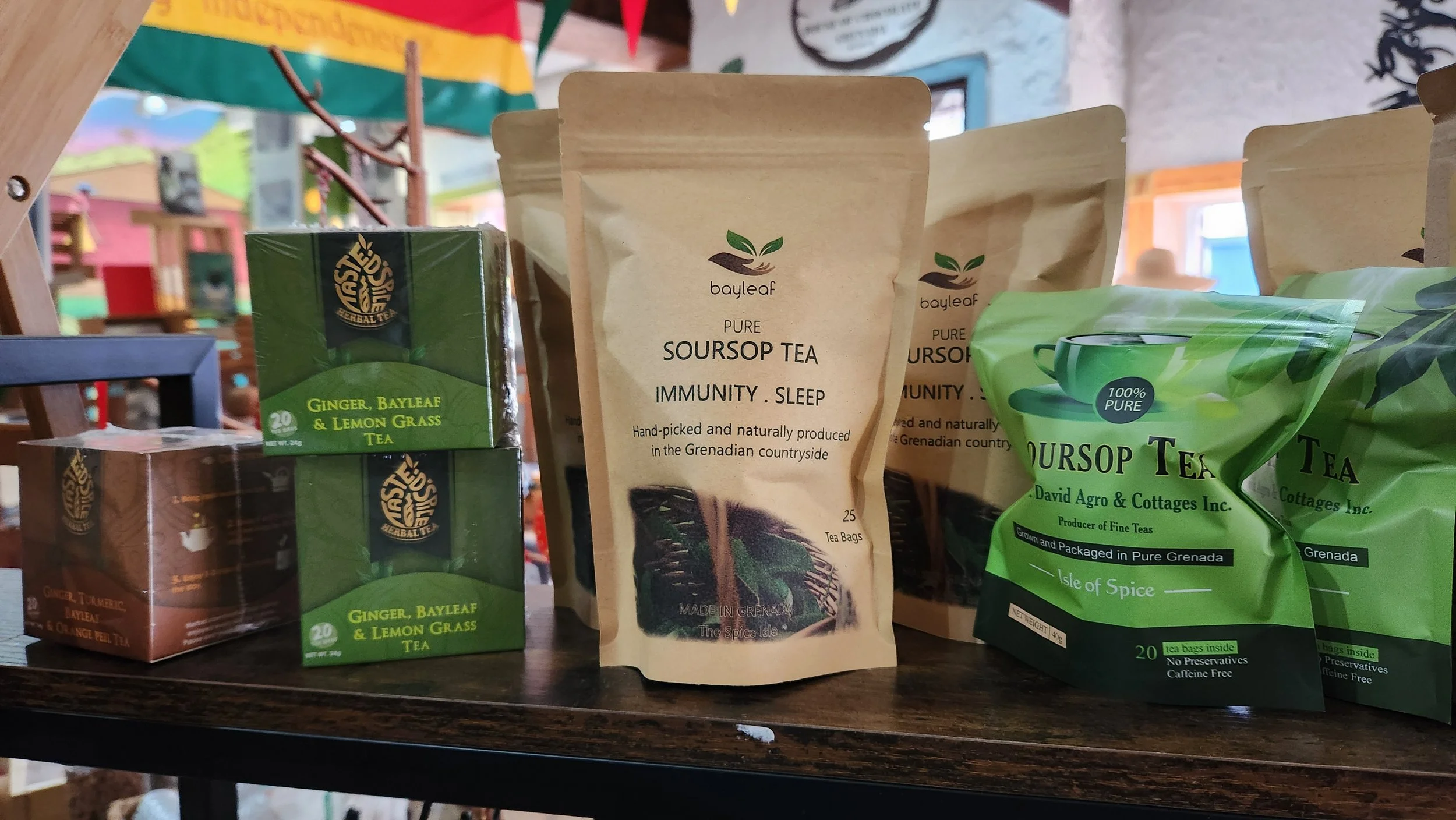
A shop in Grenada with a display of herbal teas. Soursop, bay leaf, ginger, and lemongrass are traditionally used to regulate the nervous system and reduce the impacts of colds and fevers. July 2024.
Sometimes, we should not dampen that burning sensation inside and should instead let it run its course. In some instances, the best treatment comes not from what we put within ourselves but what we put out into the world. Our nation’s autonomy may be under siege. Our economy is under strain. But we don’t have to accept it. We can choose resilience, defiance, and as Bad Bunny showed us - love.
When you buy a book using a link on this page, I receive a commission. Thank you for supporting the UppiTea Experience.