
Using Tea to Stay Sane in 2026
The Ritual of Tea as a Steadying Force
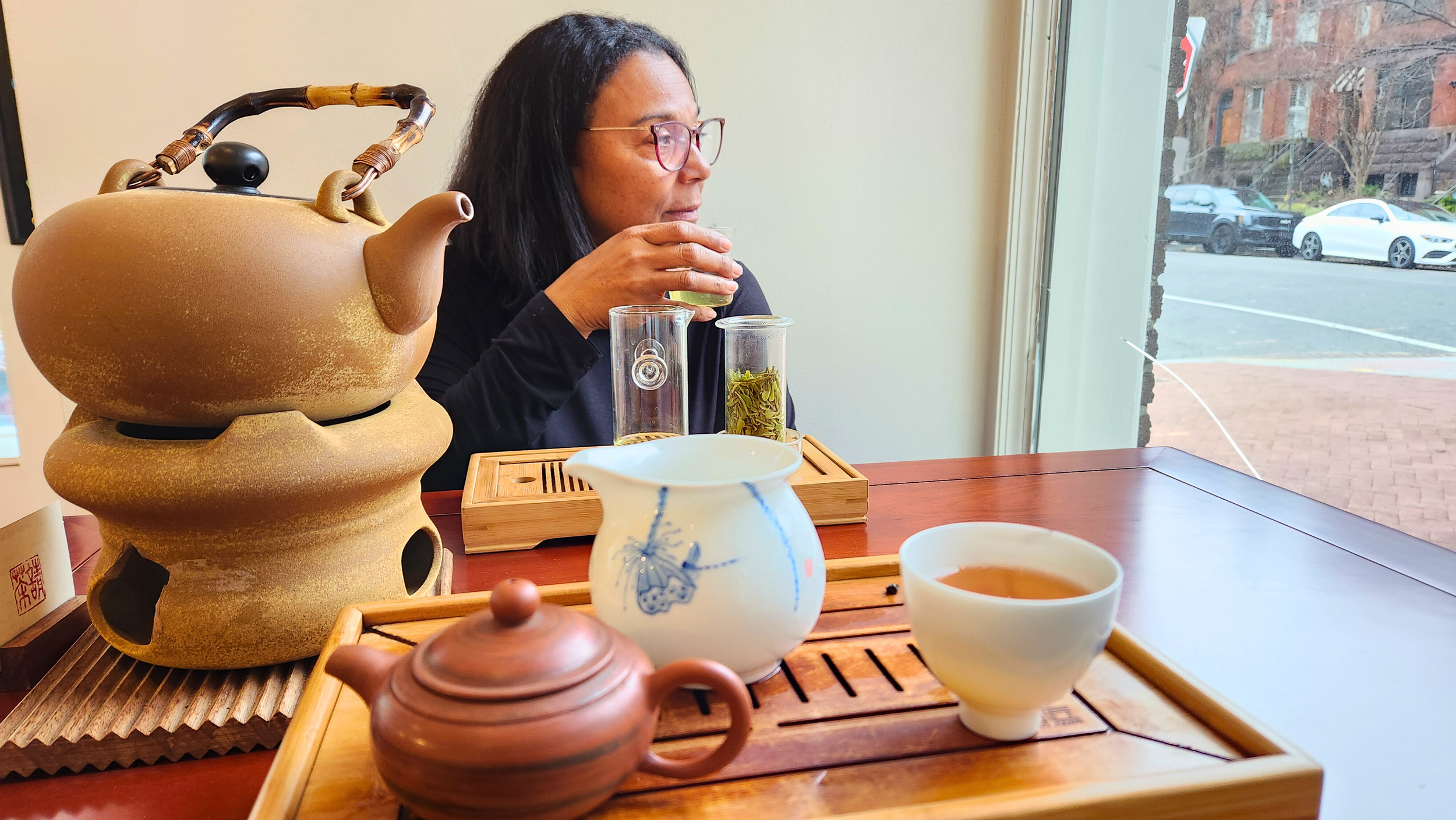
We are one month into 2026, and already, many of us are tired. Tired of what we’re seeing on the news. Tired of our inability to escape our devices. Tired of how changing weather conditions, labor shortages, and the consistent undervaluation of tea are literally brewing trouble for the worldwide tea industry. Ok, that last one might be pretty specific to me.
My point is that modern stressors are taking their toll. Whereas the start of a new year typically signalled opportunities for resolutions and optimistic outlooks, it seems that many people have gained Nostradamus-like abilities and are insistent on proclaiming that the future is bleak.
Here’s the thing. They may be right. We don’t know.
What I do know is that whatever the future holds, we can choose how to approach it. We can choose to stay grounded. Sometimes, we just need something tangible to keep us from the brink. For me, tea has been a steadying force. As the second most consumed beverage in the world, after water, it has been many people’s steadying force for thousands of years.
Why Uppity?
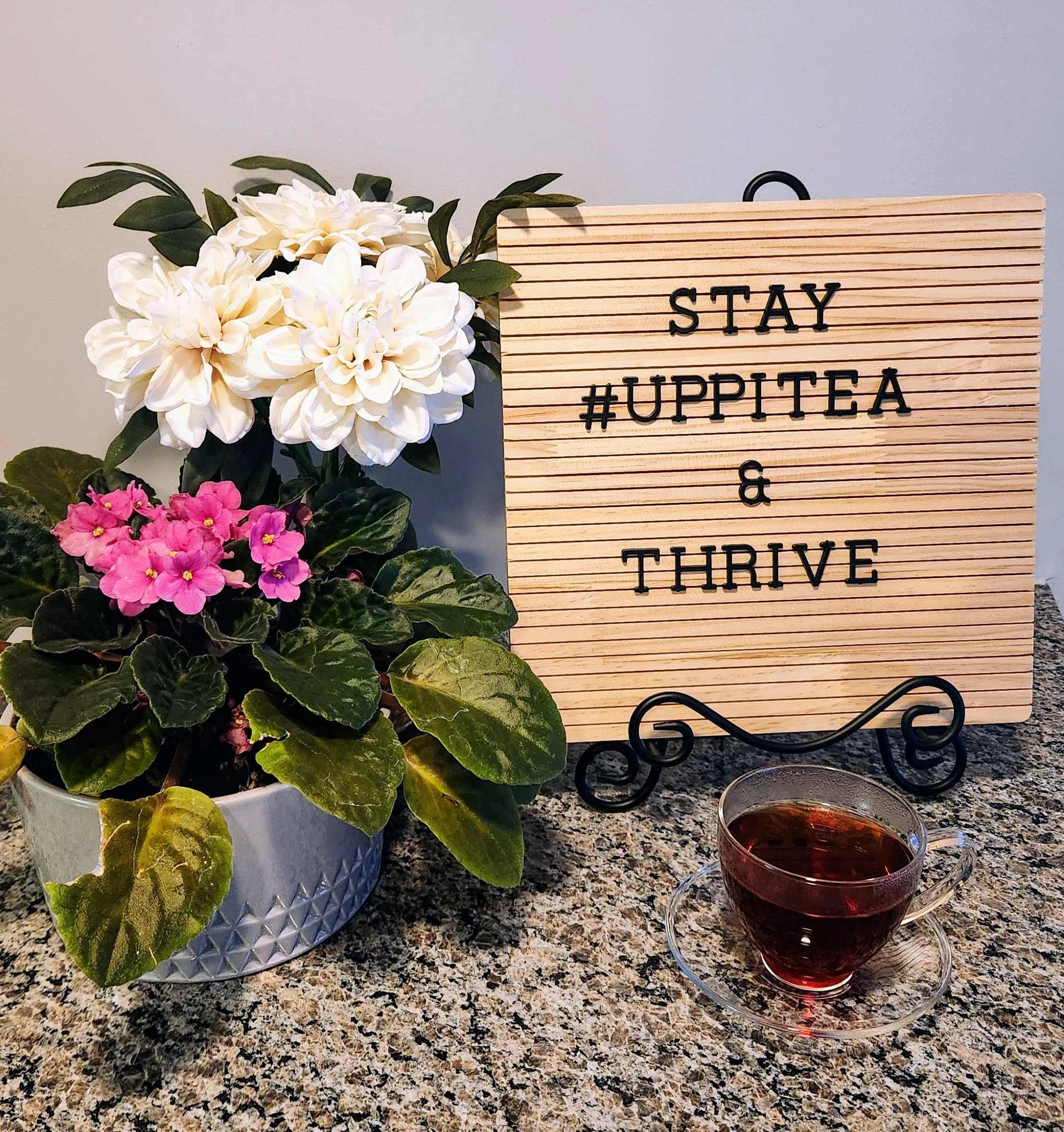
I started the UppiTea Experience platform as a way to uplift those who find comfort in the art of tea. Russian novelist Fyodor Dostoevsky wrote about some of the darkest aspects of the human condition, but he got it right when he said, “I say let the world go to hell, but I should always have my tea.” In a world of chaos, tea is a good way to keep your wits about you.
Most people are aware of the potential health benefits of teas from the Camellia sinensis plant and herbal tisanes. There is a time and place for diving into the chemistry of tea, and how its components likely have potent antioxidant and anti-inflammatory properties - but that’s not the goal here.
The UppiTea Experience is more focused on the health of our spirit. The word uppity harkens back to the Jim Crow era in the United States when southerners used it to maintain the Black population’s position as second-class citizens.
Derived from the British word uppish for someone who is “arrogantly self-assertive,” the word’s usage is associated with an ugly history. As often happens among oppressed peoples, a “crab in a barrel" mentality led to Black peers frequently insulting each other with the word whenever someone had the audacity to try rising beyond their station in life.
Language changes over time, however. Here, uppity has a positive connotation, because it describes those of us who strive to rise above turbulent times. It is the desirable quality of being unapologetic about our love for tea, interest in collective well-being, and focus on mindfulness.
The UppiTea Experience isn’t a platform for tea snobs. It’s for lifelong learners. The focus is on introducing consumers to new tea knowledge and experiences, and spotlighting brands that are helping the tea industry become more ethical and resilient. Because the more we learn, the more we understand that there is nothing new under the sun. The world ebbs and flows through continual change. The goal is to remain steadfast and hold on to the knowledge that there’s always hope and beauty, if only we know where to look.
Intentions for 2026
Making tea a part of our daily ritual naturally lends to a more peaceful way of being. A quote from Vietnamese monk and peace activist, Thích Nhất Hạnh, undergirds this belief.
“Stop work and look deeply into your tea to see everything that went into making it: the clouds and the rain, the tea plantations and the workers harvesting the tea. Cultivate your gratitude by appreciating all the love and hard work that went into bringing your tea to you. Savor this moment of enjoying your tea.”

Such simple moments of mindfulness can help us move with intention in the year ahead. Here are some practical tips to find comfort and invite grounding activities into you life, using tea as inspiration:
Reclaiming third places: When was the last time that you’ve gone to a public space to relax, socialize, or build community? These public spaces, coined “third places” since they are separate from home and work, are essential to our collective well-being. You may have heard that there is quite a bit of angst about their gradual disappearance in the United States. The World Health Organization estimates that 16% of people worldwide – one in six – are experiencing loneliness. That makes something like the closure of 400 Starbucks stores nationwide in 2025 a hard loss.
In the push to digitize nearly every aspect of our lives, I would argue that these hubs for connection aren’t necessarily disappearing, we just aren’t using them as much. I started a tea meetup group last year for this very reason. Libraries, recreation centers, parks, museums - and of course, cafés and tea shops - are on our list of meeting grounds. I’m not suggesting that everyone join a group. Socializing can be simpler than that. The act of just existing in a public space is enough - even better if it’s with a cup of tea in hand.
Supporting responsible tea brands: With an increasingly saturated tea market, there is no shortage of amazing brands to support. While many consumers in the U.S. are shifting towards sustainably sourced products, that may not be your priority. Perhaps you care more about supporting local tea houses, women-owned retailers, or that one brand committed to making bottled teas without added sugar. The process of learning about a tea brand and finding areas of alignment brings a special kind of contentment.
Continual learning: Most of us know the benefits of lifelong learning to our personal and professional development. Tea is a wonderful vessel for unleashing our curiosity. Consider attending a tea workshop, guided tasting, or festival. If you’re looking for a more academic pursuit, you can audit a class at a university on tea history and culture, chemistry, or the science of taste. Better yet, learn a language from a tea producing country. Wouldn’t it be fun to know how to correctly pronounce the names of your favorite teas in Mandarin, Hindi, or Swahili?
Whatever your activity of choice, the simplest one is often the most powerful. Starting your day with the ritual of preparing, drinking, and appreciating tea will inadvertently lift your spirit.